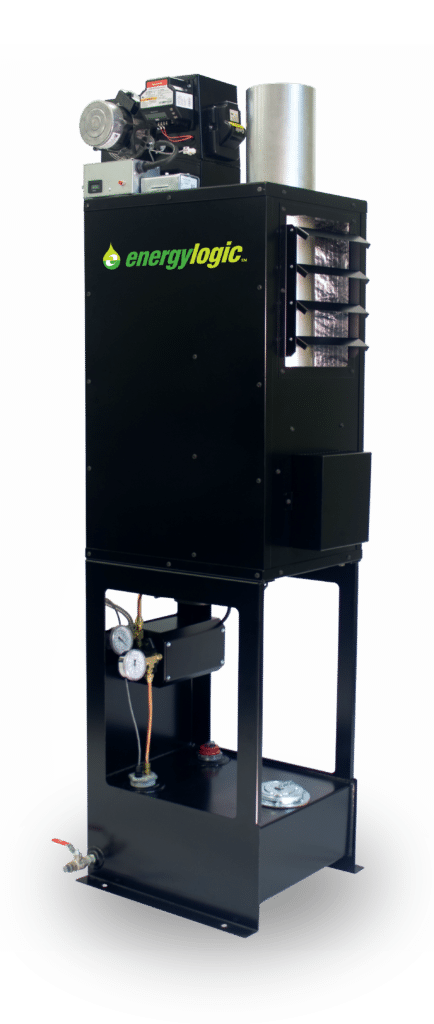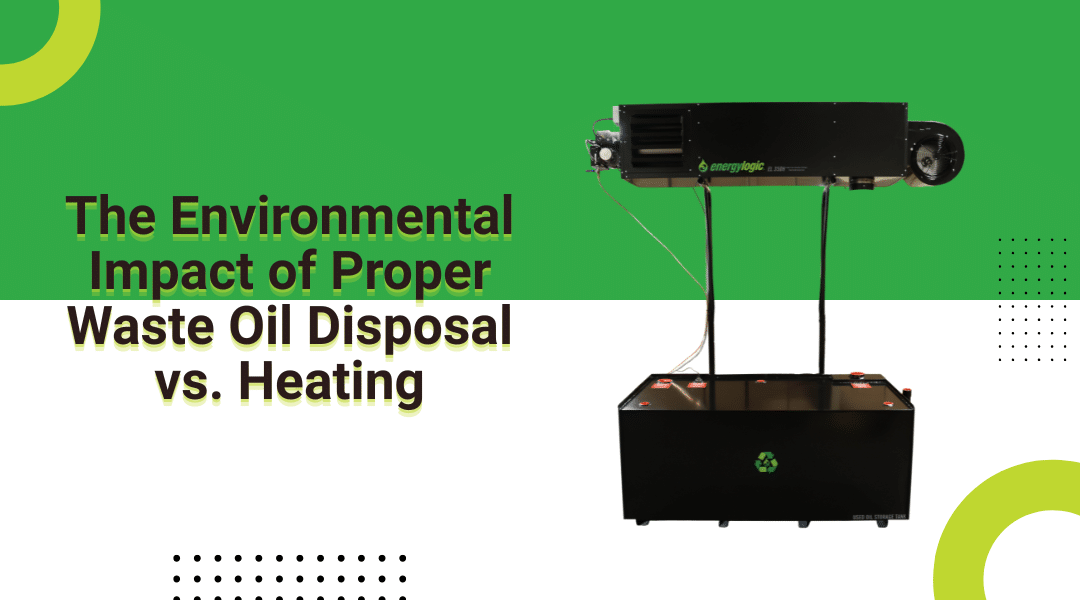
Is Your Waste Oil Heater Ready for Cold Weather?
As the leaves begin to fall and temperatures start to dip, it’s time to make sure your waste oil heater is ready for the demands of the winter season. With Farmer’s Almanac predicting a wet, cold, and snowy winter across the US, it is best to get ahead of heater maintenance before you put it to the test. Proper maintenance in the fall isn’t just about comfort, it’s about efficiency, safety, and protecting your investment.
Whether you’ve been using your heater year after year or are preparing it for its first cold-weather season, here’s a comprehensive checklist to get your system winter-ready.
✅ 1. Inspect and Clean the Heat Exchanger
The heat exchanger is the heart of your system. Over time, soot and debris can build up, reducing efficiency and airflow.
Tip: Clean the exchanger with a wire brush or vacuum system and inspect for cracks or corrosion. Watch the video here.
✅ 2. Check the Fuel Filter and Lines
Dirty filters or clogged lines can lead to poor fuel flow and system shut-downs.
Tip: Replace fuel filters and check for leaks or signs of wear in the lines. If you see cracking or brittleness, it’s time to replace. Check out the full video on what to look for here.
✅ 3. Empty and Clean the Ash Container
Waste oil heaters produce ash buildup that, if left unchecked, can affect performance and airflow.
Tip: Empty the ash container and clean the chamber thoroughly, and consider making this part of your winter routine to ensure clean heat all winter long.
✅ 4. Test the Thermostat and Safety Controls
Before the first cold snap hits, make sure your system will respond when you need it most.
Tip: Test the thermostat for accuracy and ensure all safety switches and limit controls are functioning properly.
✅ 5. Flush the Oil Tank (If Needed)
Sludge buildup in your oil tank can clog your burner and cause inconsistent heat.
Tip: Fall is a great time to flush your tank, especially if it’s been sitting idle or if the oil hasn’t been filtered recently.
✅ 6. Schedule a Professional Inspection
Even if your system seems to be running fine, a certified technician can catch issues early and perform deeper maintenance.
Tip: Book your service early—technicians get busy once the first freeze hits.
✅ 7. Stock Up on Supplies
Avoid downtime later by stocking up on replacement filters, gaskets, and any other parts that are prone to wear.
Tip: Create a spare parts kit for quick fixes during the coldest months.
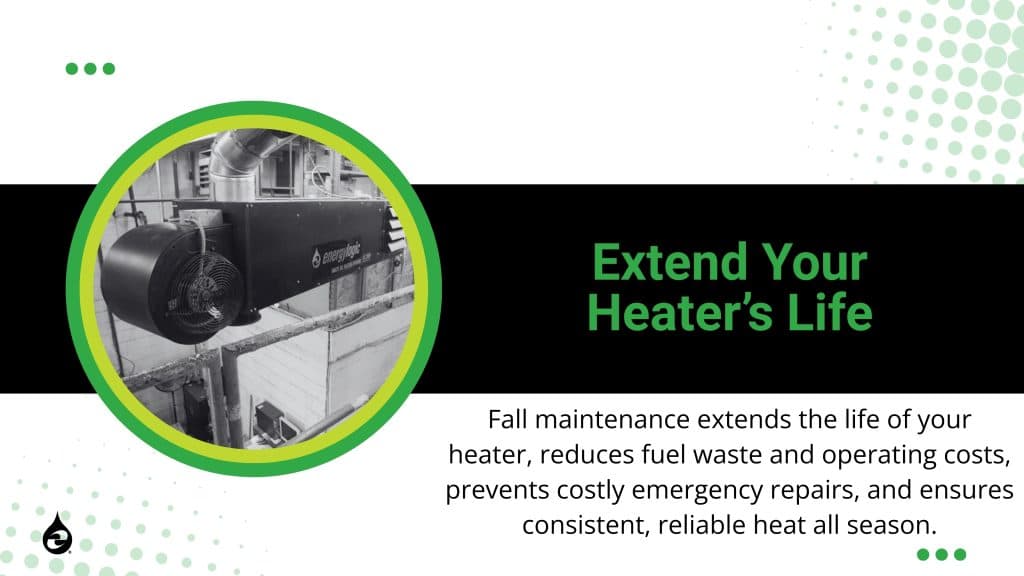
Why Fall Maintenance Matters
Taking the time to perform fall maintenance:
· Extends the life of your heater
· Reduces fuel waste and operating costs
· Prevents costly emergency repairs
· Ensures consistent, reliable heat all season
Waste oil heating is one of the most cost-effective ways to keep your facility warm—and with the right upkeep, it stays that way.
Need Help with Maintenance or Parts?
Our team is here to help you prep for winter. Check out our comprehensive collection of how-to videos, and remember, your dealer is always available to provide a more comprehensive maintenance or repair service.