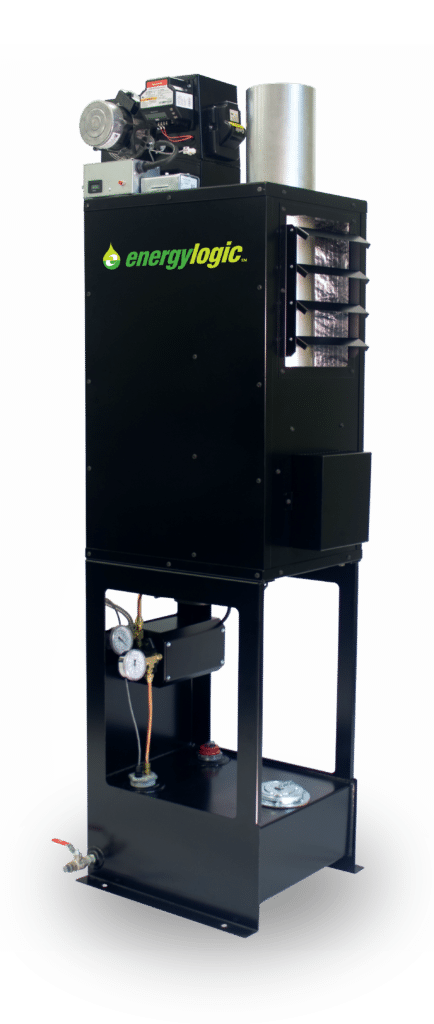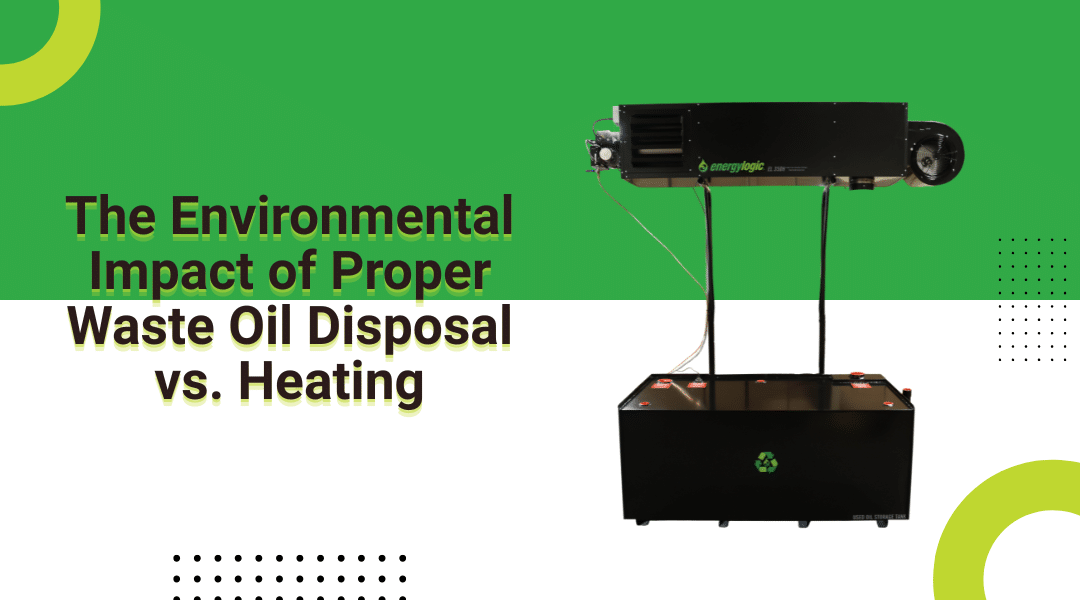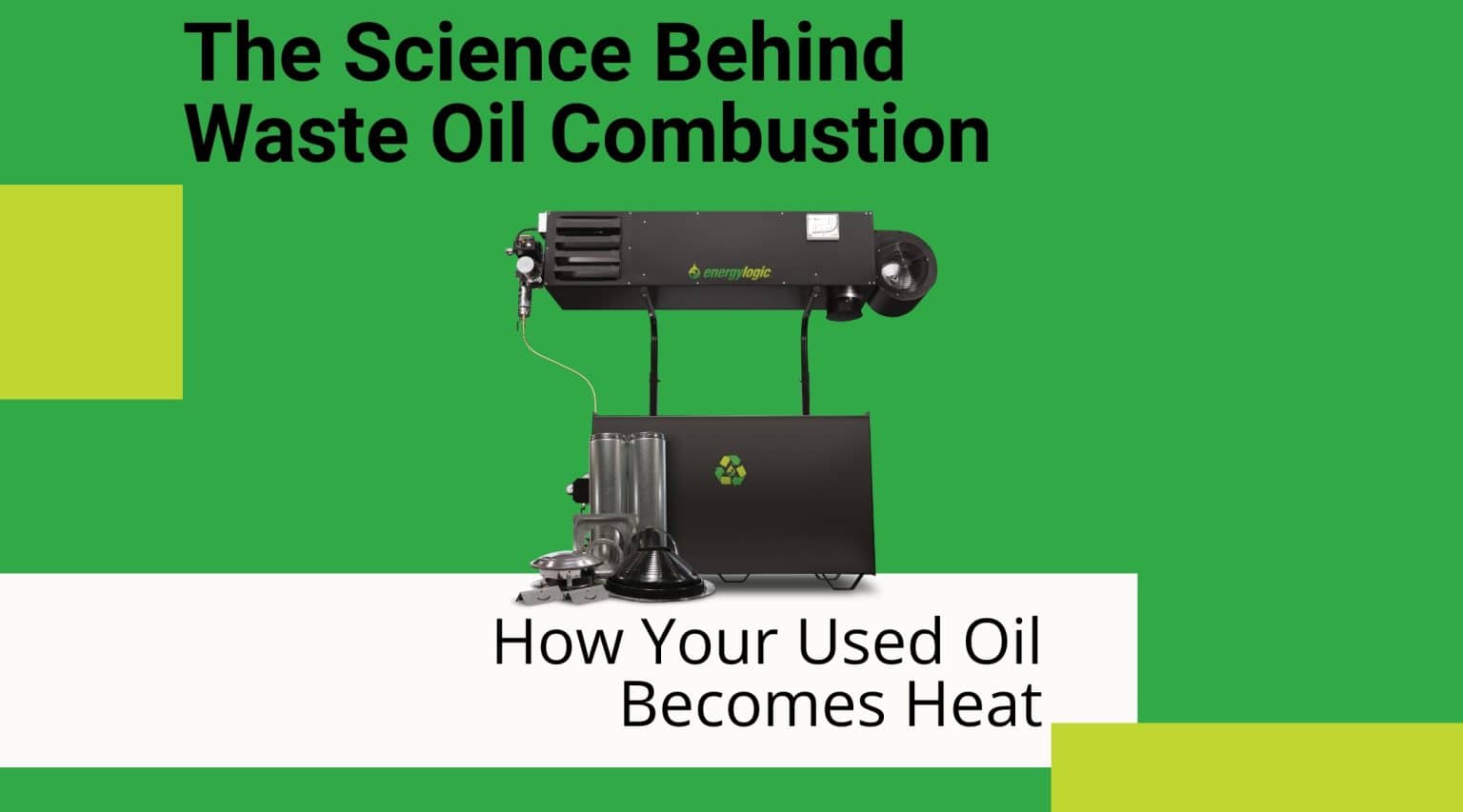
Waste oil heating can feel almost too good to be true. Is it really possible to turn used oil into clean, reliable heat while lowering operating costs and reducing waste? Yes! And, behind this smart solution is proven combustion science and carefully engineered technology. EnergyLogic has been at the forefront of this very industry since its founding and worked to bring waste oil heating to consumers.
But, the question remains, how exactly does used oil transform into usable heat? Let’s break down the science behind waste oil combustion and why modern systems like EnergyLogic heaters do it so efficiently.
What Is Waste Oil Combustion?
Waste oil combustion is the controlled burning of petroleum-based used oils such as motor oil, hydraulic oil, and transmission fluid to generate heat. While these oils are no longer useful for machinery, they still contain significant energy potential.
The key is burning them hot enough that nothing is left behind, which requires precise temperature control, proper atomization, and adequate oxygen supply.
Preheating the Oil for Proper Ignition
Unlike conventional fuels, used oil is thick and heavy, especially in colder temperatures. Before it can burn efficiently, it must be preheated to reduce its viscosity and allow it to flow smoothly through the system.
EnergyLogic heaters gently warm the oil before combustion, ensuring it reaches the ideal temperature for ignition. This preheating step allows the oil to burn more evenly, improves flame stability, and significantly reduces smoke and residue. Without proper preheating, waste oil would burn inconsistently and create unnecessary buildup inside the system.
Atomization: Creating the Ideal Fuel-to-Air Mix
Once preheated, the oil is atomized, meaning it’s broken into tiny droplets before entering the combustion chamber.
Why does this matter? Because smaller droplets have more surface area, more surface area allows better mixing with oxygen which results in more complete combustion.
This process maximizes heat output while minimizing unburned fuel and buildup inside the heater. This minimizes cleanup and creates a longer maintenance cycle than most other heaters that do not burn as completely.
Controlled Combustion and High-Temperature Burn
Inside the combustion chamber, the atomized oil ignites in a carefully controlled environment. High burn temperatures are critical, as they help eliminate impurities and ensure a stable, consistent flame.
EnergyLogic systems are engineered to maintain these optimal conditions, balancing air supply, temperature, and fuel delivery. The result is a clean, efficient burn that converts the waste oil’s stored energy into heat with minimal emissions and residue.
Efficient Heat Transfer That Delivers Real Results
The heat generated during combustion is transferred through a high-efficiency heat exchanger, which captures and distributes warmth into the space being heated.
The advanced heat exchanger design allows EnergyLogic heaters to deliver steady, high-output warmth across large areas while minimizing energy loss. By extracting as much heat as possible from the combustion process, the system maximizes efficiency and reduces overall operating costs.
The result is reliable warmth for large facilities like auto shops, warehouses, and industrial buildings.
What Makes Modern Waste Oil Combustion Clean?
When people hear “burning used oil,” they often imagine dirty smoke and heavy emissions. In reality, modern waste oil heaters are designed to burn oil so completely that emissions are minimal and well within regulatory requirements. However, this is also why it’s important to buy compliant waste oil heaters and boilers that meet state and federal requirements for burning waste oil.
Complete combustion means fewer byproducts, less soot, and cleaner exhaust. It also reduces maintenance needs and helps businesses stay compliant with environmental regulations while putting waste oil to productive use.
Turning Used Oil Into a Valuable Energy Source
Used oil doesn’t lose its energy, it simply loses its original purpose. Waste oil heating systems unlock the remaining energy, transforming a disposal challenge into a reliable heat source.
For many facilities, this translates into lower heating costs, reduced waste oil disposal fees, and greater control over energy expenses, especially during cold months.
Turning Science Into Savings with EnergyLogic
Waste oil combustion is science-backed and a great alternative to paying a company to haul it away. From preheating and atomization to controlled combustion and efficient heat transfer, every step plays a role in transforming used oil into clean, usable heat.
EnergyLogic systems are designed to optimize each of these processes, delivering reliable performance, long service life, and real cost savings.
Want to learn more about how waste oil heating can work for your facility? Explore EnergyLogic’s full line of waste oil heaters and waste oil boilers and discover how science-driven design turns used oil into valuable energy.