Managing Waste Oil the Right Way: Regulations, Recycling, and Responsibility
Properly managing waste oil isn’t just good practice, it’s the law. Across the United States, the Environmental Protection Agency (EPA) has established clear standards for handling used oil to protect human health and the environment. For many businesses, from service stations to fleet maintenance facilities, understanding these rules is critical. One of the most effective, and government-approved, methods for managing used oil is burning it in an EPA-certified waste oil heater or boiler, turning a liability into a resource.

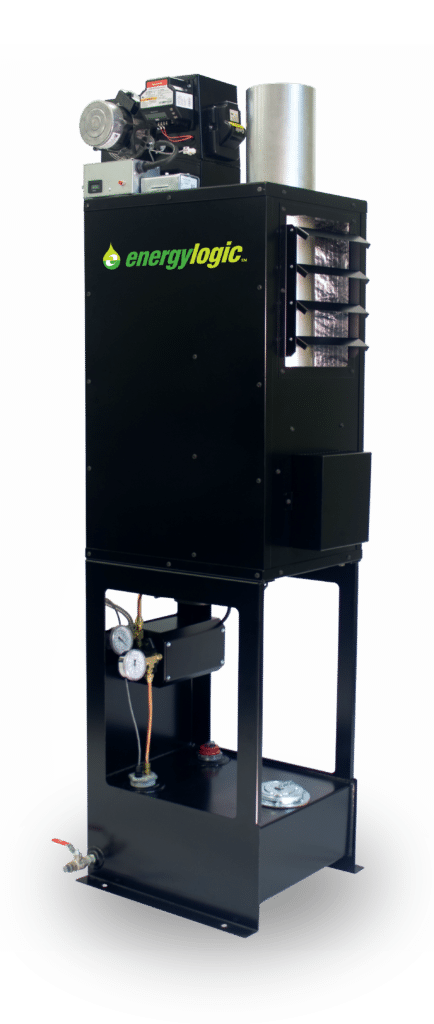
Waste oil is a valuable resource that can be reused in a waste oil heater to deliver heat to large spaces, providing businesses with an approved way to get rid of collected waste oil, but also saving them hundreds of dollars in heating costs during cold winters. With this winter on track to be a cold one, now is the perfect time to get started burning waste oil.
Why Waste Oil Management Matters
Used oil is generated in a wide range of industries, including automotive, aviation, trucking, agriculture, and industrial operations. Left unmanaged, it poses significant environmental and health risks. Contaminants can seep into soil and water, harming ecosystems and potentially entering drinking supplies. That’s why the EPA requires all businesses handling waste oil to follow specific disposal standards. Before the standards were implemented, oil spills contaminated ground water and cost cities and towns millions of dollars and many years to clean up.
These standards are outlined in Title 40 of the Code of Federal Regulations (CFR) Part 279, which establishes the rules for collection, storage, transportation, recycling, and burning of used oil. Additionally, cities and states may have more strict regulations when it comes to reusing waste oil or its disposal. For more information, check out this blog post, which outlines the standards by state in the US and by territory in Canada.
EPA’s Approach to Waste Oil Recycling
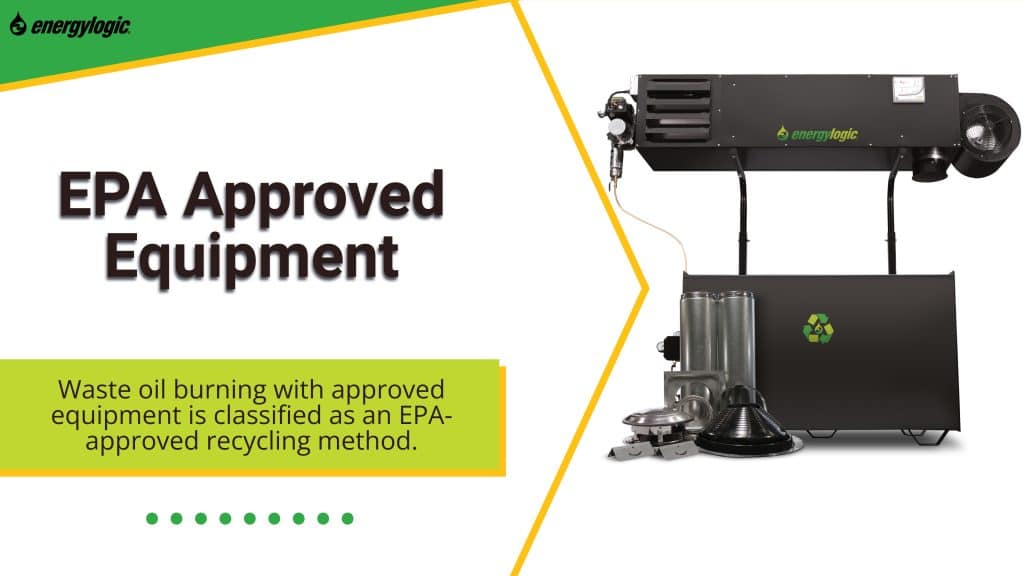
The EPA recognizes that waste oil can be a valuable resource if properly managed. Waste oil burning, when done with approved equipment, is classified as an EPA-approved recycling method. This approach not only prevents environmental damage but also reuses waste oil, turning it into useful heat energy.
Facilities that use waste oil heaters or boilers benefit in two ways:
· Regulatory compliance: Burning waste oil in certified systems meets EPA requirements and eliminates the costly cradle-to-grave liability implemented for hazardous waste.
· Operational savings: Businesses can offset heating costs by using the very used oil they generate, it’s basically “free heat.”
According to the EPA, “used oil can be safely burned for energy recovery in specially designed devices,” making it one of the most practical recycling pathways available.

State Regulations May Be Stricter
While the EPA sets a nationwide baseline, many states have added their own requirements to strengthen environmental protections. For example, some states may have more stringent storage or transport rules, or additional permitting processes. To remain fully compliant, businesses should contact their state or local environmental agency for specific guidelines.
Businesses Must Comply or Face Costly Liability Fees
The range of industries impacted by waste oil regulations is wide, including:
· Service stations and auto repair shops
· Fleet maintenance facilities
· “Quick lube” oil change shops
· Industrial operations with heavy equipment
· Aviation and transportation organizations
For these businesses, compliance is not optional. It’s a fundamental part of operating responsibly and sustainably.
How Businesses Can Stay Compliant
To manage waste oil properly, businesses should:
· Store used oil in clean, sealed containers with tight-fitting lids that have been designed to hold waste oil, like the tanks available from EnergyLogic.
· Clearly label all used oil containers to avoid contamination.
· Regularly inspect storage areas for leaks or spills.
· Use only EPA-certified waste oil heaters or boilers for burning waste oil.
· Maintain records as required by federal and state agencies.
These practices align with the EPA’s “good housekeeping” requirements and protect both businesses and communities.
Turning Waste into Value
When handled properly, waste oil can be a valuable resource for businesses. With the right equipment, businesses can reduce heating costs, comply with EPA standards, and support environmentally responsible practices. Waste oil burning transforms a potential pollutant into clean, usable energy.

By recycling waste oil through EPA-approved burning methods, businesses can stay compliant, cut costs, and contribute to a more sustainable future. Contact EnergyLogic today to start reusing your waste oil.